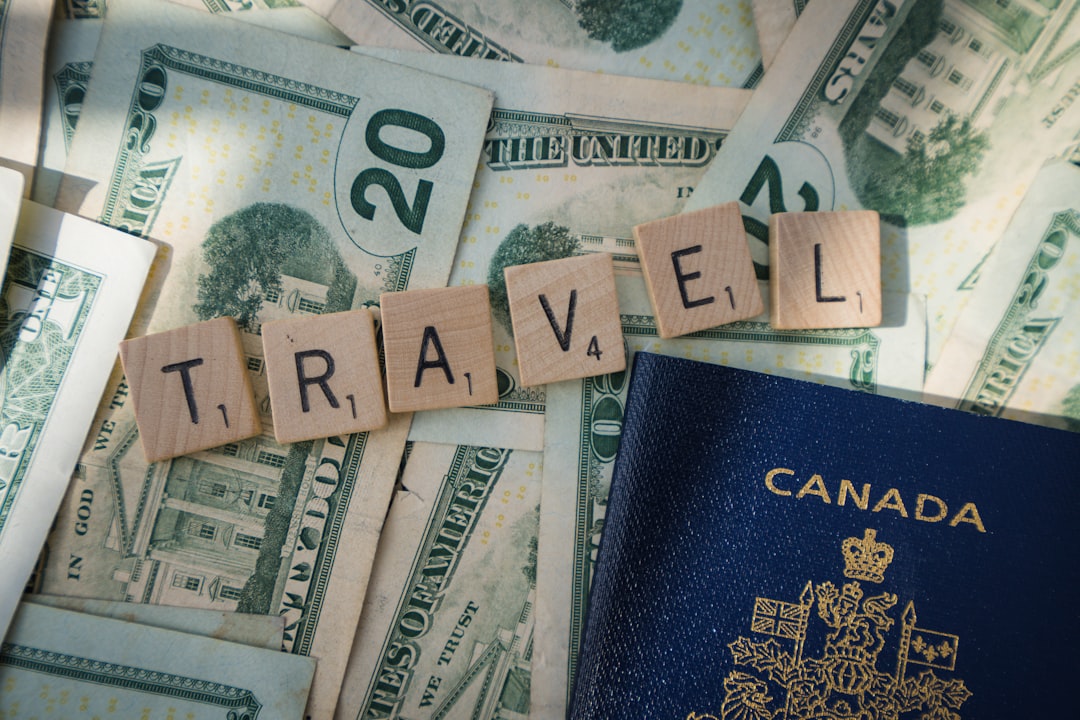
A canceled flight, a lengthy delay, or being denied boarding can turn a dream trip into a logistical nightmare. Yet, many travelers are unaware that such disruptions often come with a legal right to financial compensation. This guide provides a clear, step-by-step process for securing the refunds and compensation you are entitled to, turning a frustrating situation into a resolved one.
Understanding Your Rights: The Legal Framework
Before you begin a claim, it’s crucial to understand the regulations that protect you. In many jurisdictions, passenger rights are enshrined in law, setting clear standards for airline accountability.
Key Regulations for Air Travel
The specific rules depend on your departure and arrival points. The most widely recognized regulation is the European Union’s EC 261, which covers flights departing from the EU or arriving in the EU on an EU-based carrier.
- EU Regulation EC 261: Provides for fixed monetary compensation for long delays, cancellations, and denied boarding, unless caused by extraordinary circumstances like severe weather or political unrest.
- UK Regulation UK 261: Mirrors the EU rules post-Brexit, protecting passengers on flights departing from or arriving in the UK.
- Other National Laws: Countries like the United States, Canada, and Australia have their own consumer protection laws and regulations regarding flight delays and cancellations, often focusing on mandatory refunds rather than fixed compensation.
What Qualifies for a Claim?
Not every inconvenience warrants a payout. To be eligible for compensation under regulations like EC 261, the disruption must typically meet specific criteria.
- Flight Cancellation: You are informed less than 14 days before departure.
- Long Delay at Arrival: Typically 3+ hours for most EU-regulated flights, with the amount dependent on the flight distance.
- Denied Boarding (Involuntary Bumping): The airline is overbooked and cannot accommodate you.
- Missed Connection: Due to a delay or cancellation on a multi-leg itinerary booked as a single ticket.
It is important to note that airlines are not obligated to pay compensation if the disruption was caused by “extraordinary circumstances” beyond their control.
The Step-by-Step Guide to Filing Your Claim
Once you’ve determined you have a valid case, a systematic approach significantly increases your chances of a successful outcome. Follow this process to pursue your travel compensation.
Step 1: Gather All Documentation
Strong evidence is the foundation of any claim. Collect and organize the following information before you contact the airline.
- Your boarding pass and flight itinerary/ticket number.
- The official notice of cancellation or delay, if provided.
- Receipts for any additional expenses incurred (e.g., meals, accommodation, transport).
- Your booking confirmation email.
- Passport details for all passengers on the booking.
Step 2: Submit a Formal Claim to the Airline
Your first official step is to contact the operating airline directly. Be clear, concise, and professional in your communication.
- Use the airline’s official claims or customer relations portal, which is often found under “Manage Booking” or “Customer Service” on their website.
- Clearly state your flight details, the nature of the disruption, and the specific regulation under which you are claiming (e.g., EU Regulation EC 261).
- Attach all your supporting documentation.
- Keep a record of your submission, including any confirmation number or email.
Step 3: Escalate to the Relevant Authority
If the airline rejects your claim or does not respond within a reasonable timeframe (usually 4-8 weeks), you have recourse to an independent body.
- In the EU/UK, you can file a complaint with the national enforcement body of the country where the incident occurred.
- In the US, you can submit a complaint to the Department of Transportation (DOT).
- These bodies can investigate and, in some cases, mandate the airline to pay the owed compensation.
Step 4: Consider Legal or Third-Party Assistance
For complex cases or if you prefer not to manage the process yourself, specialized services are available.
- Several reputable firms specialize in claiming flight compensation on a “no win, no fee” basis, taking a percentage of the successful payout.
- For high-value claims, consulting with a consumer rights attorney may be advisable.
Navigating Common Challenges and Airline Tactics
Airlines may initially reject valid claims. Being prepared for these tactics is key to persevering.
Claim of “Extraordinary Circumstances”
This is the most common defense. Remember, technical issues identified during routine maintenance generally do not qualify. You can request the airline provide evidence that the cause was truly extraordinary.
Offers of Vouchers Instead of Cash
Airlines may offer travel vouchers as a gesture of goodwill. You are not obligated to accept these in lieu of the cash compensation you are legally owed. A voucher is a choice, not a legal requirement.
Statute of Limitations
Do not delay. The time limit to file a claim varies by jurisdiction but is often between 2 to 6 years from the date of the disrupted flight. Initiating your claim promptly is always best practice.
Maximizing Your Success: Proactive Tips
A few simple habits can put you in a stronger position should your travel plans go awry.
- Always book flights with a credit card, as many issuers offer additional travel protection and can assist with chargebacks for undelivered services.
- Consider travel insurance that includes “trip interruption” coverage, which can cover additional expenses while you pursue airline compensation separately.
- Know the specific passenger rights regulations that apply to your itinerary before you fly.
Securing a travel compensation refund is a matter of understanding your rights, following a disciplined process, and persisting through initial rejections. By treating your claim as a straightforward financial recovery process, you can ensure that airlines are held accountable for the service they promised. The path to obtaining your rightful flight compensation is well-defined, turning the frustration of travel disruption into a resolved financial matter.
- Top 10 B2B Ecommerce Platforms – 24/03/2026
- 10 Ways To Maximize Your Family Health Insurance Value – 13/03/2026
- The top 10 car insurance providers in the US – 13/03/2026

•
Leave a Reply