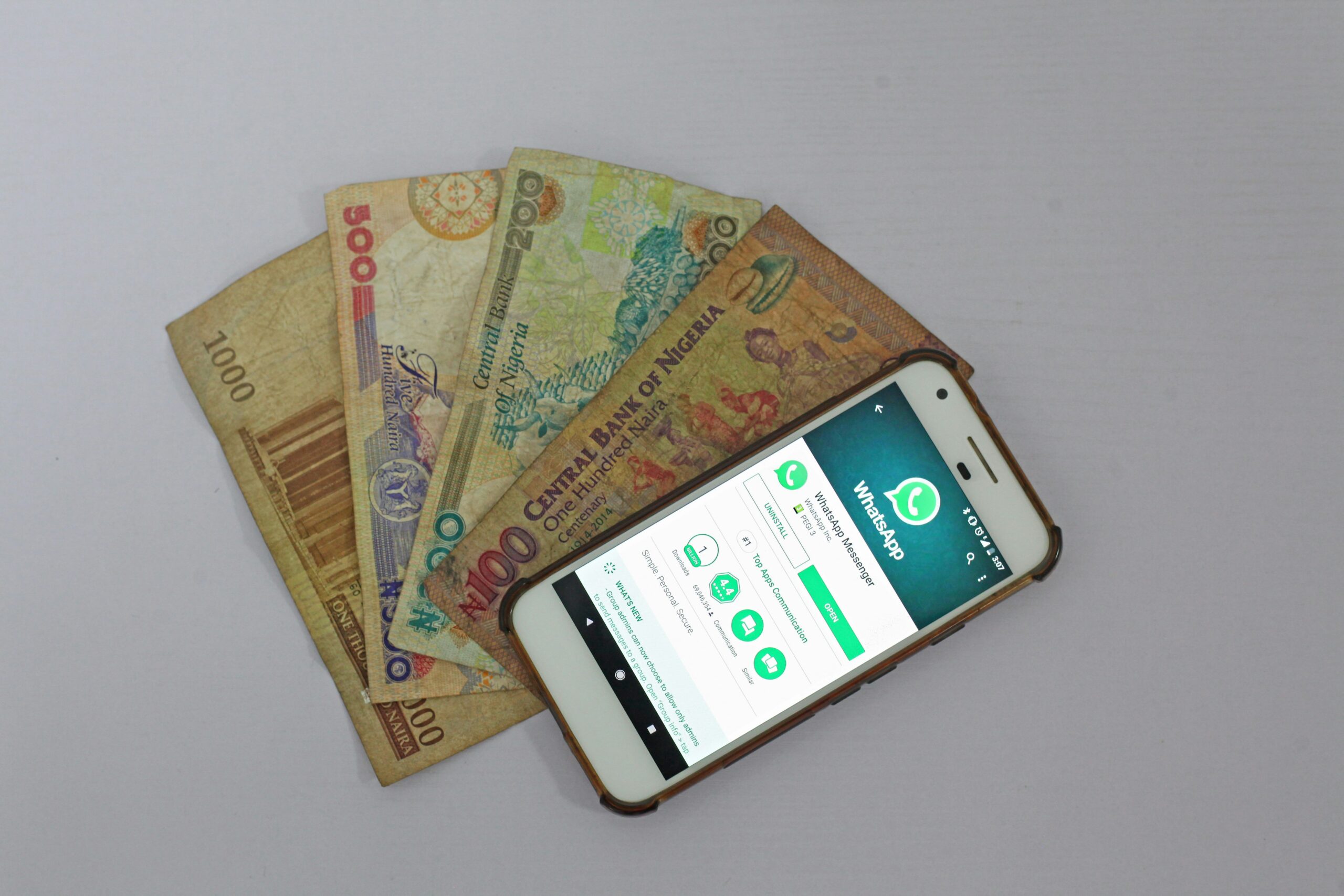
Remember the last time you stood in a bank line? For many of us, that memory is fading fast. The world of personal finance is undergoing a seismic shift, moving from marble-floored lobbies to the smartphone in your pocket. This isn’t just about checking your balance online anymore. We’re in the midst of a fintech revolution, where cutting-edge technology is completely reimagining what it means to save, spend, borrow, and invest. It’s making banking more intuitive, personalized, and, frankly, a lot less painful. Let’s dive into how this transformation is unfolding and what it means for your wallet.

From Brick-and-Mortar to Pocket-Sized: The Core Shift
The most obvious change is the digital-first banking experience. Traditional banks are racing to upgrade their apps, while a new breed of neobanks and challenger banks—like Chime, Revolut, and Varo—are built entirely without physical branches. These platforms offer sleek interfaces, instant transaction notifications, and fee structures that often undercut the big players. The value proposition is clear: convenience, control, and transparency, all available 24/7. This shift has forced even the most established local banks and credit unions to seriously up their digital game to retain customers.
Key Technologies Driving the Change
Several powerful technologies are converging to create this new financial landscape.
Artificial Intelligence & Machine Learning: Your Financial Co-Pilot
AI-powered banking is moving far beyond chatbots. Machine learning algorithms now analyze your spending patterns to offer hyper-personalized insights. They can predict cash flow shortages before they happen, automatically categorize expenses for better budgeting, and even identify suspicious transactions with incredible accuracy. Imagine an app that nudges you saying, “Your grocery spend is 20% higher this month,” or “You could save $50 by paying this bill two days earlier.” This isn’t science fiction; it’s happening now, turning your banking app into a proactive financial advisor.
Blockchain & DeFi: The Trust Revolution
While cryptocurrencies grab headlines, the underlying blockchain technology holds immense promise for personal banking. It offers a secure, transparent, and unchangeable ledger for transactions. This could drastically reduce fraud and streamline processes like international money transfers, making them faster and cheaper. Even more transformative is the rise of Decentralized Finance (DeFi), which aims to recreate traditional financial systems (lending, borrowing, earning interest) on open blockchain networks, potentially removing intermediaries like banks altogether. While still in its early stages for mainstream users, it points to a future where individuals have unprecedented control over their assets.
Open Banking & APIs: The Connected Ecosystem
Open Banking, driven by regulations and consumer demand, is a game-changer. It allows you to securely share your financial data between different institutions through Application Programming Interfaces (APIs). This means you can use a single app to see all your accounts (checking, savings, credit cards, even investments from different brokers), get a loan approved in minutes based on your real-time data, or use budgeting tools that have a complete, accurate picture of your finances. It fosters competition and innovation, allowing the best financial tools to work seamlessly together for your benefit.
The Evolving Services: What’s in It for You?
So, what does this tech-driven future look like in practical terms? Here are the services being reshaped right before our eyes.
Hyper-Personalized Lending & Credit
Gone are the days when a credit score was the sole dictator of your loan fate. Using alternative data—like your cash flow history, rent payments, and even educational background—fintech lenders can create a more holistic picture of your creditworthiness. This can lead to more personal loan options and fairer interest rates for thin-file borrowers or freelancers. The process is often fully automated, providing instant decisions and faster funding.
Automated Wealth Management (Robo-Advisors)
Investment platforms like Betterment and Wealthfront brought robo-advisors to the masses. These automated systems use algorithms to build and manage a diversified investment portfolio based on your goals and risk tolerance, all for a fraction of the cost of a human advisor. They handle rebalancing and tax-loss harvesting automatically, making sophisticated investment strategies accessible to everyday people. This democratization of investing is a cornerstone of the fintech revolution.
Frictionless Payments & Embedded Finance
Paying is becoming invisible. Contactless payments, digital wallets (Apple Pay, Google Pay), and peer-to-peer (P2P) apps like Venmo or Zelle are now standard. The next frontier is embedded finance—where financial services are integrated directly into non-financial apps. Think “Buy Now, Pay Later” (BNPL) at checkout on a retail site, getting car insurance within a ride-sharing app, or a small business loan offered directly within your accounting software. Banking is no longer a destination; it’s a feature woven into the fabric of our digital lives.
Challenges and Considerations in the New Era
This bright future isn’t without its clouds. As we embrace these changes, we must be mindful of key challenges:
Data Privacy & Security: With great data comes great responsibility. The more connected our financial lives become, the larger the target for cyberattacks. Ensuring robust cybersecurity and clear, ethical data usage policies is paramount. You must understand what data you’re sharing and with whom.
The Digital Divide: Not everyone is tech-savvy or has consistent internet access. A future that solely caters to the digitally native risks leaving vulnerable populations behind. A hybrid model, where human support remains an option, is crucial for true financial inclusion.
Regulatory Hurdles: Innovation often outpaces regulation. Governments worldwide are scrambling to create frameworks that protect consumers without stifling innovation, particularly in volatile areas like cryptocurrency and DeFi.
What You Can Do Today: Embracing the Future
You don’t have to wait for the future; it’s already here. To make it work for you:
- Explore Neobanks: Consider opening a secondary account with a digital-only bank to experience their user-centric features.
- Leverage Budgeting Apps: Use personal finance apps that utilize open banking (with your permission) to get a unified view of your spending and set realistic budgets.
- Start Small with Investing: If the stock market has always seemed intimidating, try a robo-advisor with a small, regular deposit to start building your portfolio effortlessly.
- Stay Informed & Secure: Use strong, unique passwords and enable two-factor authentication on every financial app. Regularly review your connected apps and permissions.
- Support Local Innovation: Don’t forget your local community bank or credit union. Many are now partnering with fintech firms to offer competitive digital tools alongside their personalized local service.
The Bottom Line: A More Human-Centered Finance
Photo Credits
Photo by Benjamin Dada on Unsplash
- Top 10 B2B Ecommerce Platforms – 24/03/2026
- 10 Ways To Maximize Your Family Health Insurance Value – 13/03/2026
- The top 10 car insurance providers in the US – 13/03/2026

•
Leave a Reply